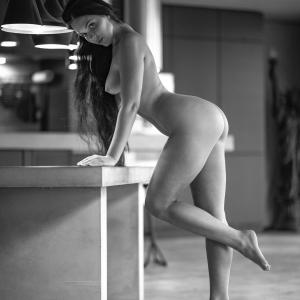
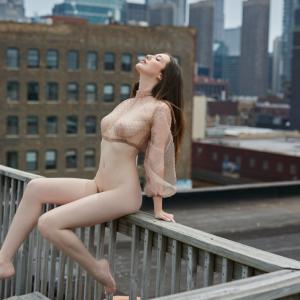
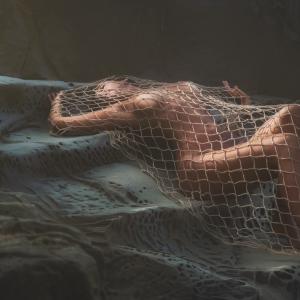
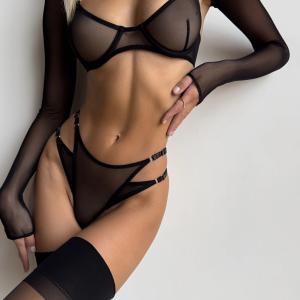
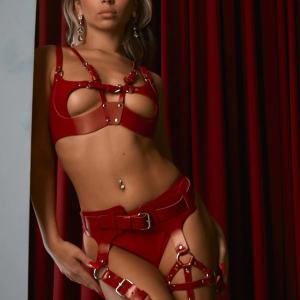
Booking your first boudoir session is exciting, a little nerve-wracking, and often the first time a woman has ever set aside a few hours purely to celebrate herself. If your stomach does a small flip every time you think about standing in front of a camera, you are completely normal. Almost every client walks in feeling that exact mix of thrill and self-doubt, and almost every one of them walks out wondering why they waited so long. The secret is not confidence you are born with; it is preparation that lets confidence show up on the day.
This guide walks you through everything that actually matters before, during, and after your shoot, so the only thing left to do is enjoy it. We will cover skin and wardrobe, what to pack, how posing really works, how to choose a photographer you trust, and what happens once the camera is down. Read it once now and skim it again the week of your session.
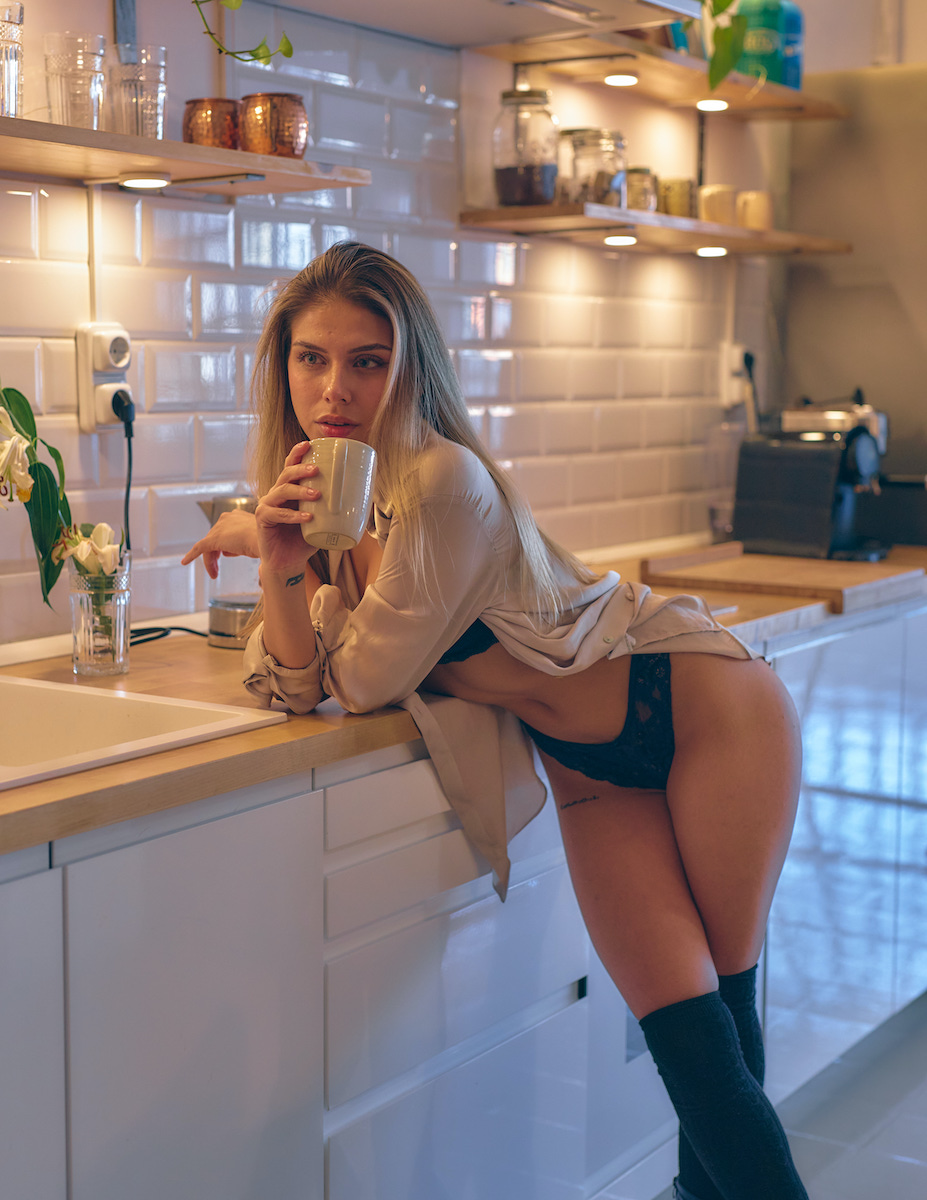
✨ Key Takeaways
- Prep beats confidence - Hydrated skin, the right outfits, and a clear plan do more for your photos than feeling fearless.
- Bring options - Three to five outfits in different tones and coverage levels give your gallery range.
- Posing is directed - You do not need experience — a good photographer guides every angle, hand, and breath.
- Pick the right photographer - Their full galleries, posing direction, and how safe you feel matter more than price.
What should you do in the weeks before a boudoir session?
The best boudoir images start days before anyone picks up a camera. In the two to three weeks beforehand, focus on the slow, boring habits that photograph beautifully: drink more water than usual, sleep on a consistent schedule, and moisturise your whole body every single day. Well-hydrated skin catches light softly and evenly, which means fewer dry patches, less visible texture, and a natural glow that no amount of editing can fully fake.
Be cautious with anything new. The week of your shoot is not the time to try a fresh self-tanner, an aggressive exfoliating acid, a wax with a salon you have never visited, or a bold experimental haircut. New products are the most common cause of last-minute redness, breakouts, and patchiness. If you want a spray tan, book it two to three days ahead so it can settle into a believable tone, and tell your artist it is for photography so they go a shade lighter than usual.
Think about marks the camera will see. Tight waistbands, sock elastic, bra straps, and snug shoes all leave temporary indentations that can linger for an hour or more. On the morning of your session, wear the loosest, softest clothing you own and skip anything with a firm band. Slip-on shoes and a button-front top are ideal, because you will not have to pull anything over fresh hair and makeup.
Finally, do a little emotional prep. Spend five minutes deciding why you want these photos — a milestone birthday, a gift for a partner, post-baby reclamation, or simply because you are ready to see yourself differently. Holding onto that reason settles the nerves far more effectively than telling yourself to relax.
What should you wear for a boudoir shoot?
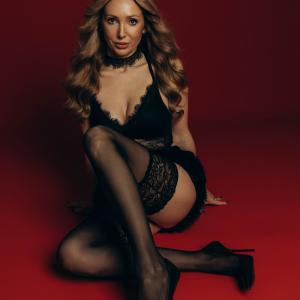
Wardrobe is where most first-timers overthink and underpack. The rule that never fails: bring pieces that make you feel like the most magnetic version of yourself, not the ones you think you are supposed to wear. A well-fitting bodysuit you love will always beat an expensive lace set that pinches and rides up. Fit is everything boudoir is intimate and close-up, so anything too tight digs in, and anything too loose loses the line of your body.
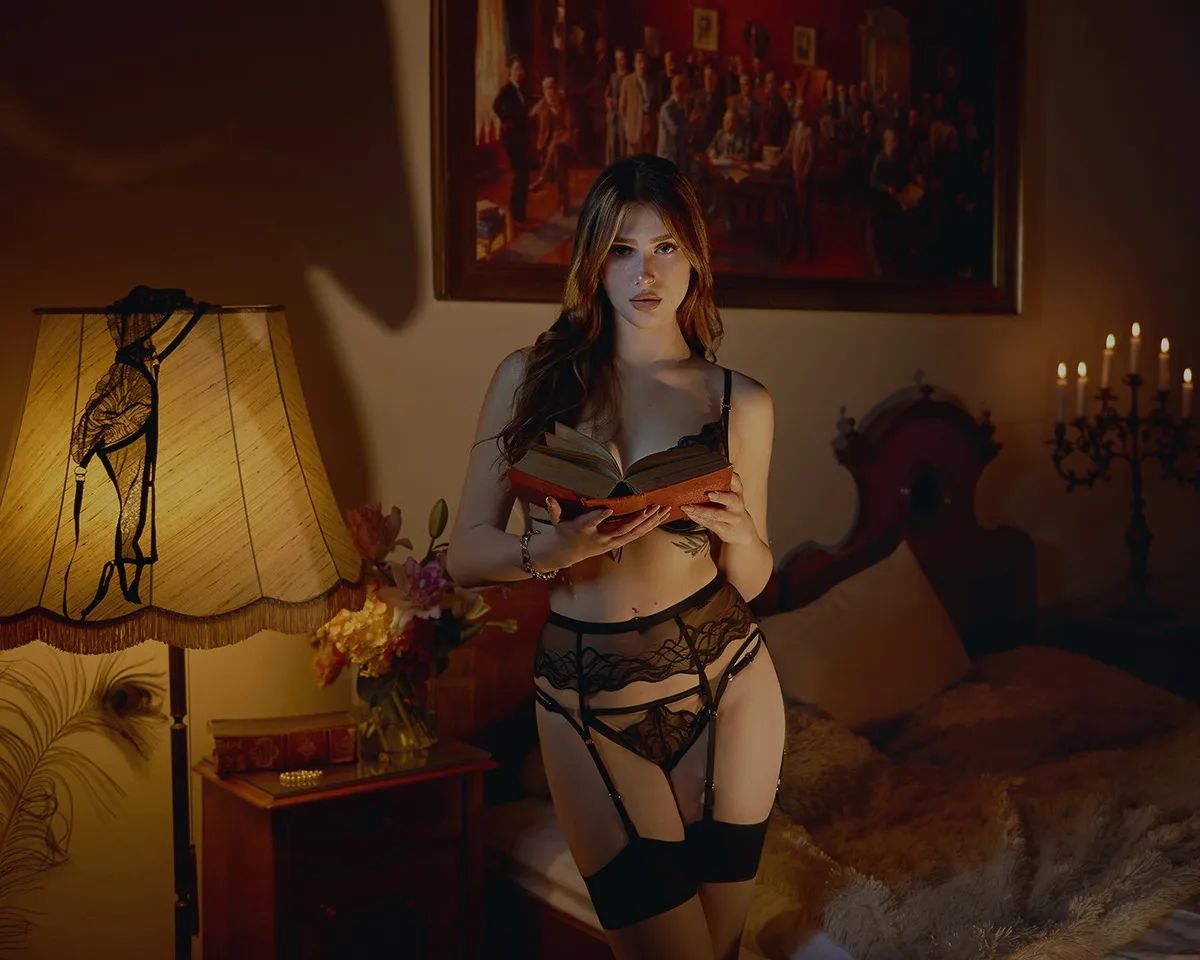
Aim for three to five looks that cover a range of moods and coverage levels. A classic starting set looks like this: one structured piece such as a corset or bodysuit, one delicate lingerie set, one oversized menswear shirt or chunky knit for a softer relaxed vibe, and one wildcard a favourite dress, a sheer robe, or even just beautiful bed sheets. Variety gives your final gallery a story instead of ten versions of the same frame.
Pay attention to colour against your skin. Jewel tones, deep reds, classic black, and soft neutrals photograph beautifully on almost everyone. If you are unsure, lay your options on the bed and notice which ones you keep reaching for. Bring well-fitting nude underwear and a strapless option, because they disappear under sheer fabrics and keep things comfortable between setups.
Do not forget the small details that elevate a shot: a pair of heels (even if you never stand in them (they change the line of your legs while lying down), simple jewellery, a textured robe, and any sentimental piece such as a partner's shirt or a wedding garter. Texture reads richly on camera, so velvet, lace, satin, and knit all add depth your eye will love later.
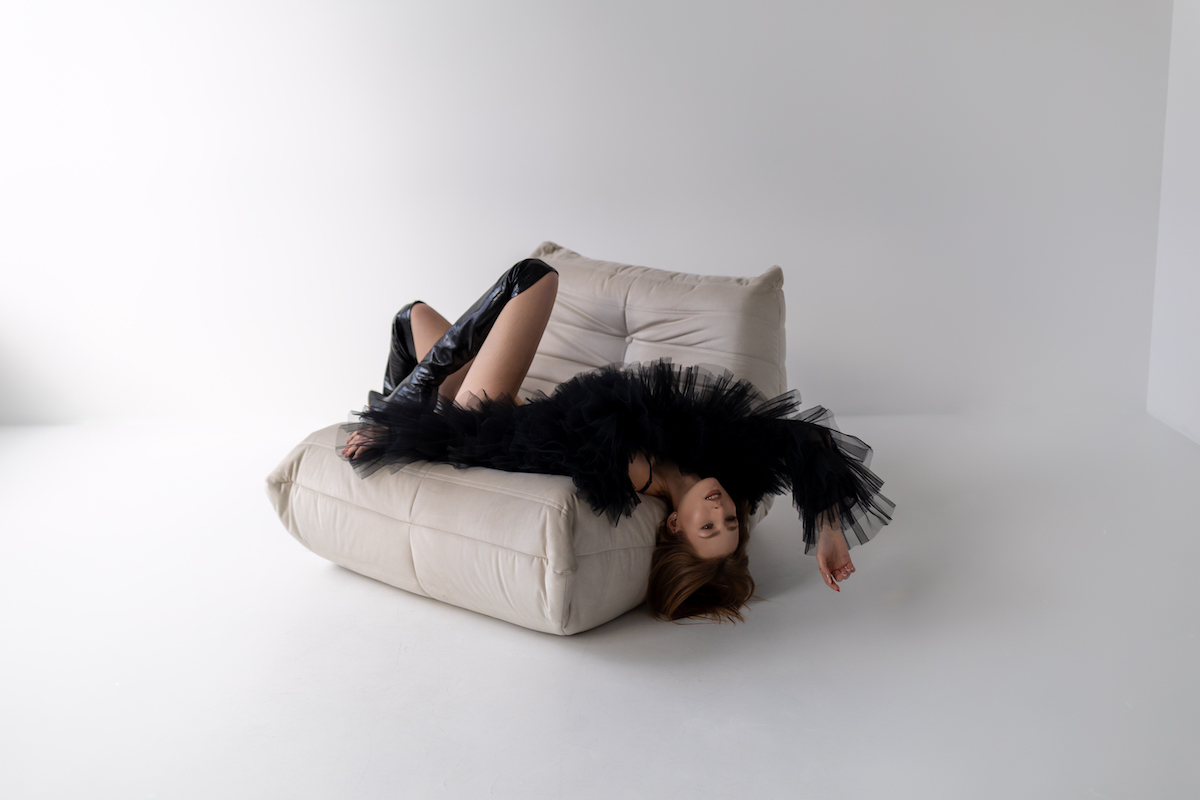
💡 Pro Tip
Bring a robe and a pair of cosy socks. Between setups you will want to stay warm and covered, and a robe gives you some of the most effortless, candid images of the whole session.
How should you prepare your hair, skin, and makeup?
Professional hair and makeup is the single upgrade that most transforms a first boudoir session, and it is worth every penny. A specialist applies makeup for the camera slightly stronger than everyday so it does not wash out under studio light and styles hair to last for hours of movement. Beyond the look, sitting in that chair for forty-five minutes is a gentle warm-up that eases you into being pampered before the lens ever points at you.
If you are doing your own makeup, build it up in thin layers, set everything with powder, and lean slightly bolder than usual on the eyes and lips. Matte and satin finishes photograph more reliably than heavy shimmer, which can flare under light. Bring your lipstick along for touch-ups; close-up kissing-the-shoulder shots show every detail.
For hair, soft waves and natural texture tend to read as relaxed and sensual, while sleek styles feel editorial. Whatever you choose, avoid styles that need constant fixing, because you will be lying down, rolling, and moving. Nails are worth a quick polish too, your hands appear in more frames than you would expect, resting on your collarbone, in your hair, or along your jaw.
✅ Do
- Bring well-fitting pieces you have tried on
- Book professional hair and makeup if you can
- Hydrate and moisturise for days beforehand
- Pack heels, a robe, and touch-up lipstick
🚫 Don't
- Try brand-new skincare the week of the shoot
- Wear tight elastics on shoot morning
- Pack only one outfit
- Schedule a fresh tan the same day
How do you pose and relax in front of the camera?
Here is the truth that calms almost everyone: you are not expected to know how to pose, and you never will be. A skilled boudoir photographer directs you frame by frame, where to put your weight, how to angle your chin, what to do with your hands, when to breathe out and soften your shoulders. Your only job is to follow gentle cues and trust the process. The 'natural' images you admire on photographers' websites are almost always carefully guided.
Movement beats holding still. Instead of freezing in a pose, you will be asked to do small things, arch slowly, run a hand through your hair, look away and back, take a slow breath. Those micro-movements create dozens of frames and catch the unguarded, alive expressions that make boudoir feel real rather than stiff. If you feel awkward, say so; laughing through it usually produces some of the best shots of the day.
Pay attention to the basics your photographer will reinforce: point toes to lengthen legs, create space between your arm and your body so nothing flattens, and keep a long neck by pushing your forehead slightly toward the lens. You do not have to memorise any of this, it simply helps to know the camera rewards angles and intention over force.
Most importantly, breathe. Nerves make us hold our breath, tense our jaw, and lift our shoulders. A long exhale before each set resets your face and posture instantly. Bring a playlist that makes you feel powerful; music does more to loosen a room than any pep talk.
87%
of first-time clients say they felt far more comfortable within the first fifteen minutes than they expected to.
What should you bring on the day of your session?
Packing well removes nearly all of the day-of stress. Lay everything out the night before so nothing is forgotten in the morning rush. Beyond your outfits, the essentials are simple but easy to overlook, and having them on hand keeps the session flowing without awkward pauses.
Think in three buckets: wardrobe, grooming, and comfort. Wardrobe covers your outfits, nude and strapless underwear, heels, and any sentimental items. Grooming covers touch-up lipstick, powder, a brush, and safety pins. Comfort covers a robe, warm socks, water, and a light snack so your energy holds across a couple of hours.
📋 Session-Day Checklist
How do you choose the right boudoir photographer?
The photographer you book matters more than any single decision in this whole process, because the right one makes everything else easy. Start with their full galleries, not just the highlight reel on the homepage. Ask to see complete sessions so you know they can deliver consistently flattering light, posing, and editing from start to finish anyone can produce one good frame.
Look for someone whose images make you feel something and whose subjects look like real, varied women rather than a single body type. Read how they describe the experience: the best boudoir photographers talk openly about guiding nervous first-timers, posing every shot, and creating a private, judgement-free set. That language tells you they understand the emotional side as much as the technical one.
Practical questions are fair game before you book: Will there be posing direction throughout? Is hair and makeup included or recommended? How and when do you choose your final images, and what do prints or digital files cost? Clear answers signal professionalism. Above all, notice how safe you feel talking to them, your comfort directly shapes how you will look on camera.
What happens after the boudoir session?
When the camera is down, the experience is not quite over. Most photographers invite you to a reveal or ordering appointment where you see your gallery for the first time often the most emotional part of the whole journey. Seeing yourself the way the lens caught you, rather than the way you criticise yourself in the mirror, tends to shift something. Give yourself permission to be surprised.
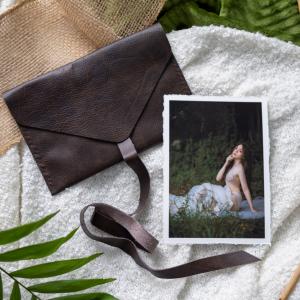
Take a beat before choosing images. Narrow to the frames that make you feel strong, then decide how you want to hold onto them: a discreet album, framed wall art, or digital files. If these were a gift, plan the presentation; if they were for you, choose a way to actually see them regularly rather than leaving them buried in a folder. You did something brave let it live somewhere you will be reminded of it.
How early should I plan my boudoir outfits?
Start gathering and trying on outfits at least two weeks ahead. This gives you time to order replacements if something does not fit, and to confirm everything is comfortable enough to move in. Lay your final picks out the night before.
Do I need to be in shape for boudoir photos?
No. Boudoir works for every body — the photographer poses, lights, and angles to flatter exactly who you are on the day. The women who love their galleries most are rarely the ones who 'got in shape' first; they are the ones who showed up.
What if I feel awkward in front of the camera?
Feeling awkward is the norm, not the exception, and it almost always fades within the first fifteen minutes. Your photographer directs every pose and keeps the energy light, so you are never left guessing what to do with your body.
Should I book professional hair and makeup?
If your budget allows, yes. Camera-ready makeup holds up under studio light, lasts for hours of movement, and the time in the chair is a relaxing warm-up that eases you into the session before any photos are taken.
 Ad
Ad