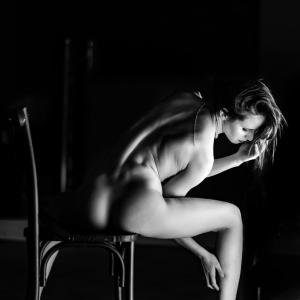
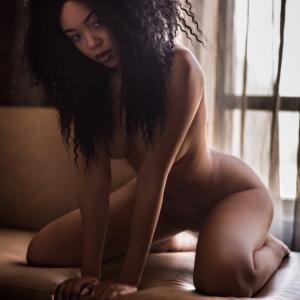
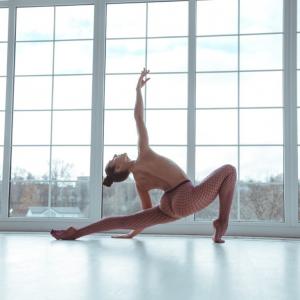
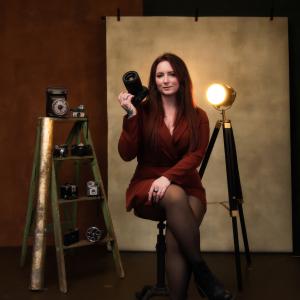
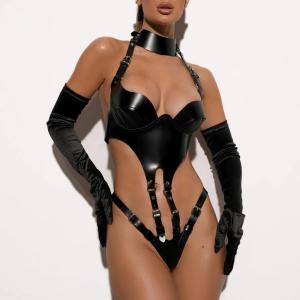
Boudoir photography equipment includes a full-frame or APS-C mirrorless camera with strong low-light performance, prime lenses like an 85mm f/1.4 for portraits and a 50mm for versatility, continuous or strobe lighting with soft modifiers, essential props such as chairs and fabrics, and reliable support gear including tripods, tethering cables, and backup storage. Build your kit step by step based on your budget and shooting style.
Key Takeaways
- Camera body - full-frame or APS-C mirrorless with excellent high-ISO performance and silent shutter
- Prime lenses - 85mm f/1.4 for portraits, 50mm for versatility, 35mm for environmental shots
- Lighting - natural window light with diffusers, or a single strobe with a softbox for studio control
- Props and set dressing - chairs, fabrics, mirrors, and small accent pieces add depth without overpowering the subject
- Support gear - tripods, tethering cables, backup storage, and spare batteries keep sessions running smoothly
What Camera Is Best for Boudoir Photography?
The best camera for boudoir photography is one that performs well in low light, offers fast and accurate autofocus, and shoots silently. Mirrorless cameras have become the standard because they deliver all three without the bulk of traditional DSLRs.
Full-frame sensors give you cleaner images at higher ISOs, wider dynamic range, and smoother skin tones. Popular choices include the Canon EOS R5 and R6, Sony A7 IV, and Nikon Z6 III. Each of these bodies handles dimly lit bedrooms and studio spaces with ease. If you are working with a tighter budget, APS-C cameras like the Fujifilm X-T5 and Sony A6400 still produce gorgeous results. The smaller sensor means a crop factor of about 1.5x, which can actually work in your favor by giving your lenses extra reach.
Prioritize these specs: high ISO performance up to 6400 or higher, fast and reliable eye-detection autofocus, and a silent or electronic shutter mode. A tilting or fully articulating screen also helps you shoot from creative angles without lying on the floor.
| Camera Type | Example Models | ISO Performance | Best For |
|---|---|---|---|
| Full-Frame Mirrorless | Canon EOS R6, Sony A7 IV, Nikon Z6 III | Excellent up to 12800 | Professional boudoir studios |
| APS-C Mirrorless | Fujifilm X-T5, Sony A6400 | Good up to 6400 | Budget-conscious beginners |
| DSLR | Canon 5D Mark IV, Nikon D850 | Very good up to 6400 | Photographers with existing glass |
Which Lenses Should You Use for Boudoir Photography?
Prime lenses are the gold standard for boudoir photography lenses. They are sharper, faster, and lighter than zooms, and their wide apertures create the shallow depth of field that makes skin look soft and backgrounds melt away.
The 85mm f/1.4 is the most popular boudoir lens. Its focal length gives you flattering compression that slims the figure while keeping facial features natural. The wide aperture produces creamy bokeh that isolates your subject from any background. A 50mm f/1.4 or f/1.8 is the next essential. It gives a more natural field of view and works beautifully for half-body and full-body poses in tighter spaces. For environmental shots that show more of the room, a 35mm f/1.8 lets you capture the full scene while still maintaining a wide aperture for softness.
Zoom lenses like the 24-70mm f/2.8 and 70-200mm f/2.8 offer more flexibility during fast-paced sessions. They let you change framing without swapping glass, which can keep the energy flowing when a client is in a confident groove. The trade-off is a smaller maximum aperture and slightly less sharpness compared to primes.
Pro Tip
Start with one prime lens, the 50mm f/1.8. It is affordable, versatile, and teaches you to move your feet to compose. Master that focal length before adding an 85mm or a zoom.
What Lighting Equipment Do You Need for Boudoir Photography?
Boudoir photography lighting equipment ranges from free natural light to professional studio strobes. The best choice depends on where you shoot and the mood you want to create.
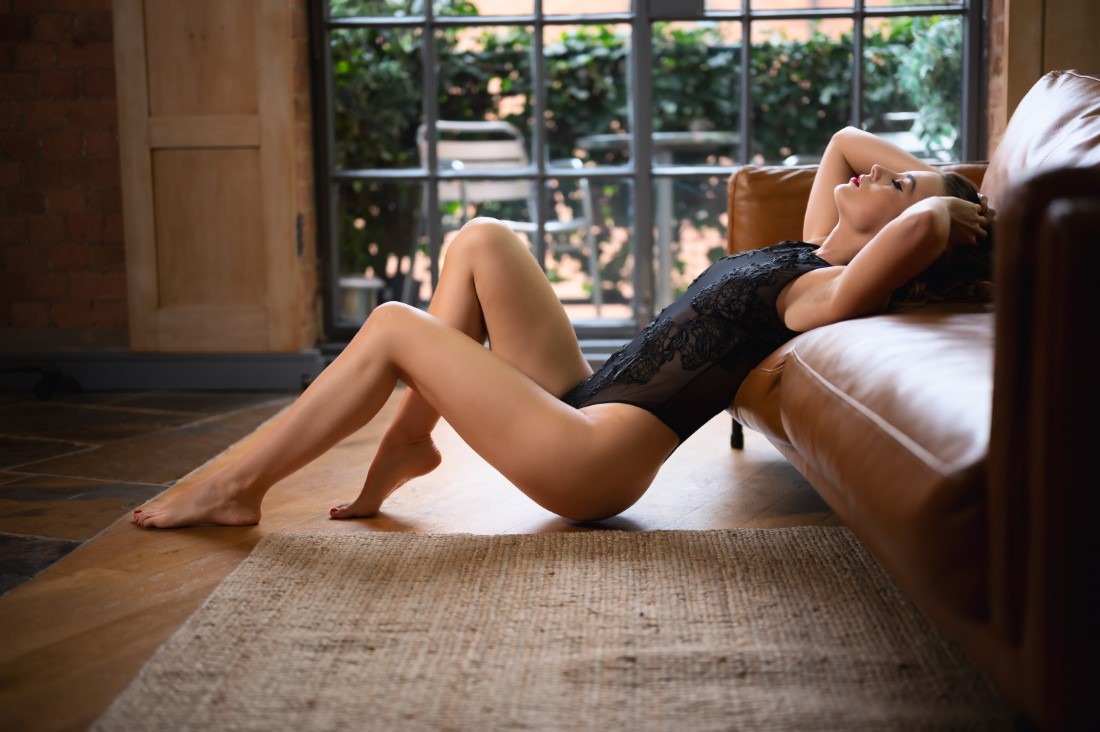
Natural window light is the most accessible and flattering option. Position your subject two to three feet from a large window. A sheer white curtain diffuses the light into a soft, wraparound glow. A white foam board or reflector on the shadow side fills in details without adding a second light source. For more control, continuous LED panels let you see the light exactly as it falls. They are ideal if you shoot hybrid photo and video sessions. Speedlights and monolights offer more power for shaping light with modifiers. A single strobe with a 36-inch octabox placed at a 45-degree angle creates a classic Rembrandt lighting pattern that sculpts the face and body beautifully.
Modifiers are the real secret. Softboxes and octaboxes soften the light for flattering skin. Beauty dishes add contrast while keeping a soft falloff. Grids focus the light into a narrow beam for dramatic, moody shots. You can achieve professional results with just one key light and a reflector.
Do
- Use a diffuser or sheer curtain on windows for soft light
- Place a reflector opposite your key light to fill shadows
- Start with one light and learn its behavior before adding more
Don't
- Use overhead fluorescent lighting that casts green shadows
- Rely on on-camera flash that flattens features and creates harsh highlights
- Mix color temperatures like daylight and tungsten without correcting them
For a deeper look at lighting techniques, explore our guide on mastering continuous light in boudoir photography and the artistry of single-light setups.
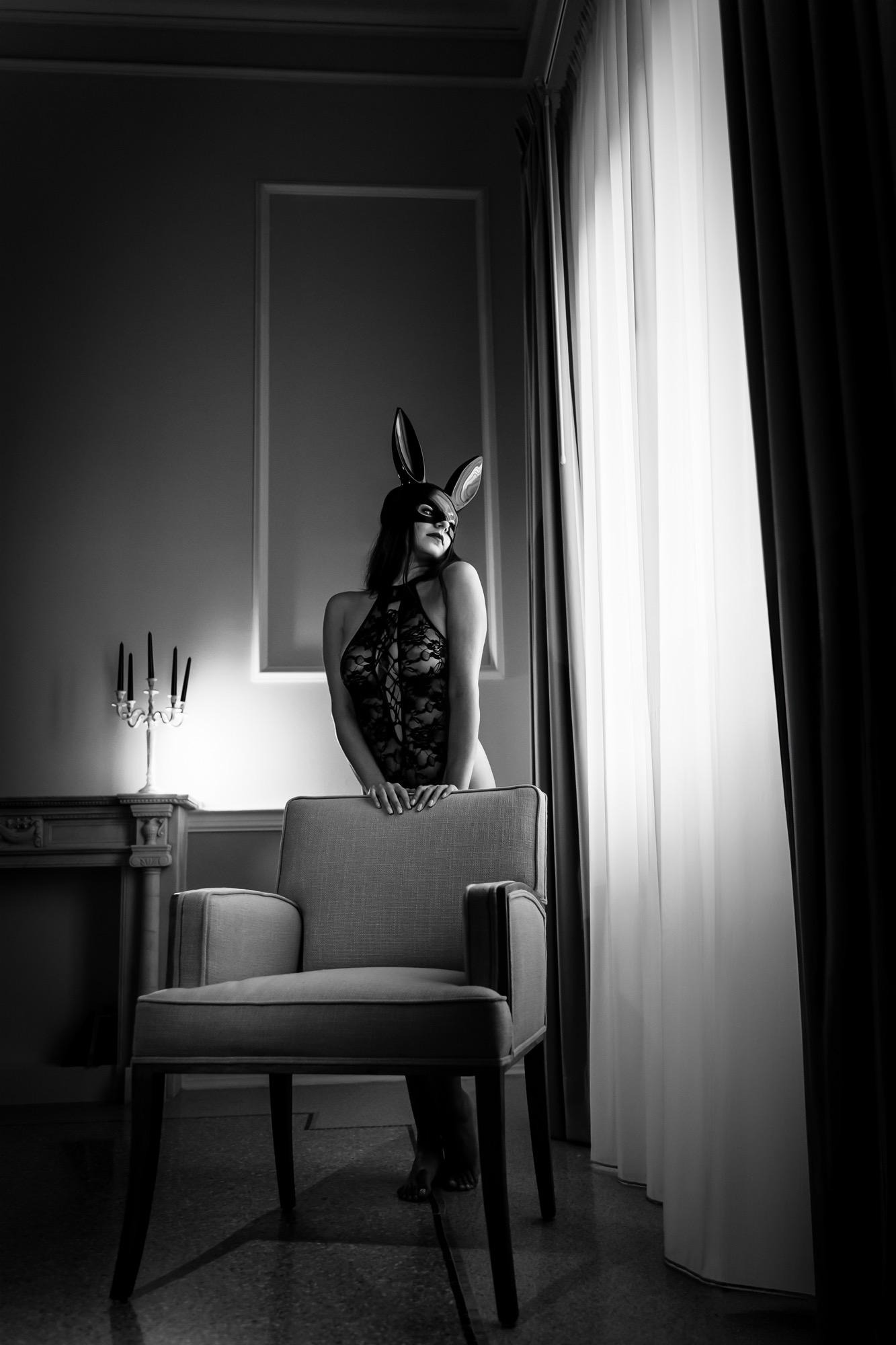
What Props and Set Dressing Elevate a Boudoir Session?
Essential boudoir photography props provide posing support, add visual texture, and help tell a story. The right set dressing transforms a plain room into a sensual, curated space.
Furniture pieces form the foundation. A tufted chaise lounge, an upholstered armchair, a wooden stool, or a bed with plush bedding gives your subject something to lean on, sit in, or recline across. These pieces create natural posing lines and make the session feel more like a real space than a studio. Fabrics add depth and movement. Silk sheets, faux fur throws, sheer curtains, tulles, and satin ribbons introduce texture that catches light differently from skin. Drape them over furniture or wrap them around your subject for soft, flowing shapes.
Mirrors are powerful tools for composition. A full-length mirror doubles the visual space and lets you capture reflections that add intrigue. Handheld mirrors give the subject something to hold and create intimate, voyeuristic frames. Small accent props like pearls, lace gloves, hats, books, and fresh flowers add storytelling details. Use them sparingly. The subject should remain the focus.
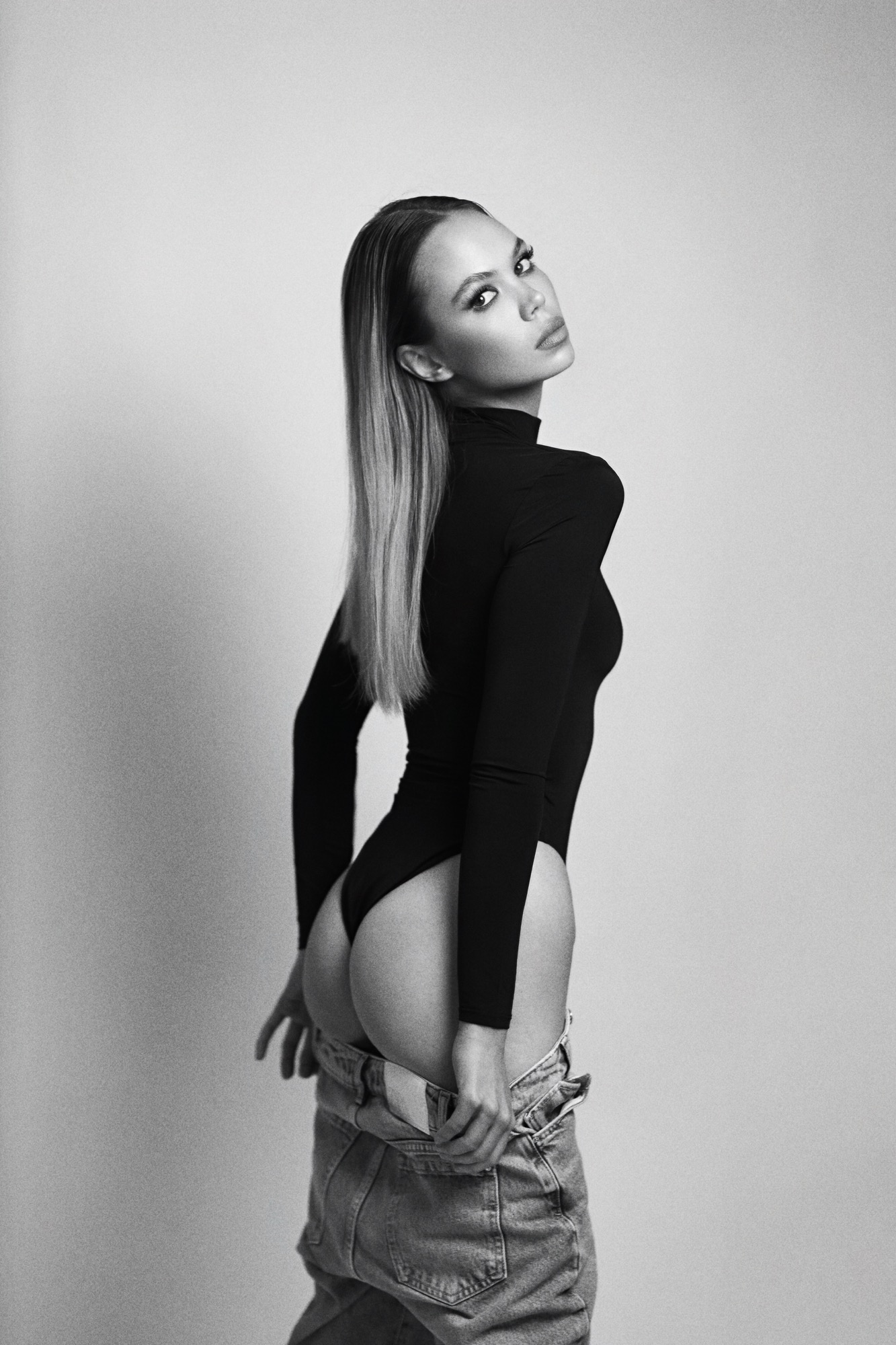
Start with these five versatile prop categories:
- Seating - a chair, stool, or chaise for posing variety
- Fabrics - silk, faux fur, tulle, and satin for texture and layering
- Mirrors - full-length and handheld for creative reflections
- Accents - pearls, lace gloves, hats, books, or flowers
- Lighting tools - candles, string lights, or a small LED panel for mood
What Accessories and Support Gear Make Boudoir Shoots Smoother?
Boudoir photography gear is not just about cameras and lights. The support equipment you bring to a session determines how smoothly the shoot runs and how professional you look to your client.
A sturdy tripod is essential for sharp shots at slower shutter speeds, especially when shooting in low natural light. It also keeps your framing consistent if you step away to adjust lighting or styling. For tethering, a USB-C or HDMI cable connected to a laptop or tablet lets your client see images as you capture them. This builds trust and lets you collaborate on poses and expressions in real time. Software like Capture One or Lightroom supports live view tethering on most mirrorless cameras.
Memory cards and storage deserve more attention than most photographers give them. Use high-speed SD or CFexpress cards from reliable brands. Always carry spares and back up images to a portable SSD or laptop during the session. A single card failure can erase an entire shoot. For transport, a padded camera bag or rolling case keeps your gear organized and protected, especially if you shoot at hotels or client homes.
Pre-Session Gear Checklist
How Do You Build a Boudoir Photography Kit on a Budget?
A complete boudoir photography starter kit does not require a five-figure investment. With under $2,000, you can assemble a setup that produces professional-quality images.
Start with a used or entry-level mirrorless body like the Sony A6400 or a Canon EOS RP. Pair it with a 50mm f/1.8 lens, which costs around $200 and delivers sharp, fast images. Add a single speedlight with a 24-inch softbox for about $150 total, and a collapsible 5-in-1 reflector for $30. That is your core kit. As you grow, add an 85mm f/1.8 lens for dedicated portraits and a continuous LED panel for video-hybrid shoots. Consider buying used gear from trusted sources like KEH, MPB, or Adorama's used section. Inspect the shutter count, check for dust in the viewfinder, and test all buttons and ports before purchasing.
Renting high-end gear before buying is a smart strategy. Services like LensRentals or BorrowLenses let you test a Sony A7 IV or a 70-200mm f/2.8 for a weekend. You learn exactly what fits your style before committing thousands of dollars.
$2,000
is enough to build a professional boudoir starter kit: a mirrorless body, a 50mm f/1.8 lens, a speedlight, a softbox, and a reflector.
What Editing Software and Tools Complete Your Boudoir Workflow?
Post-processing is where your raw captures become finished boudoir images. The right editing software and calibration tools ensure consistent, polished results across every session.
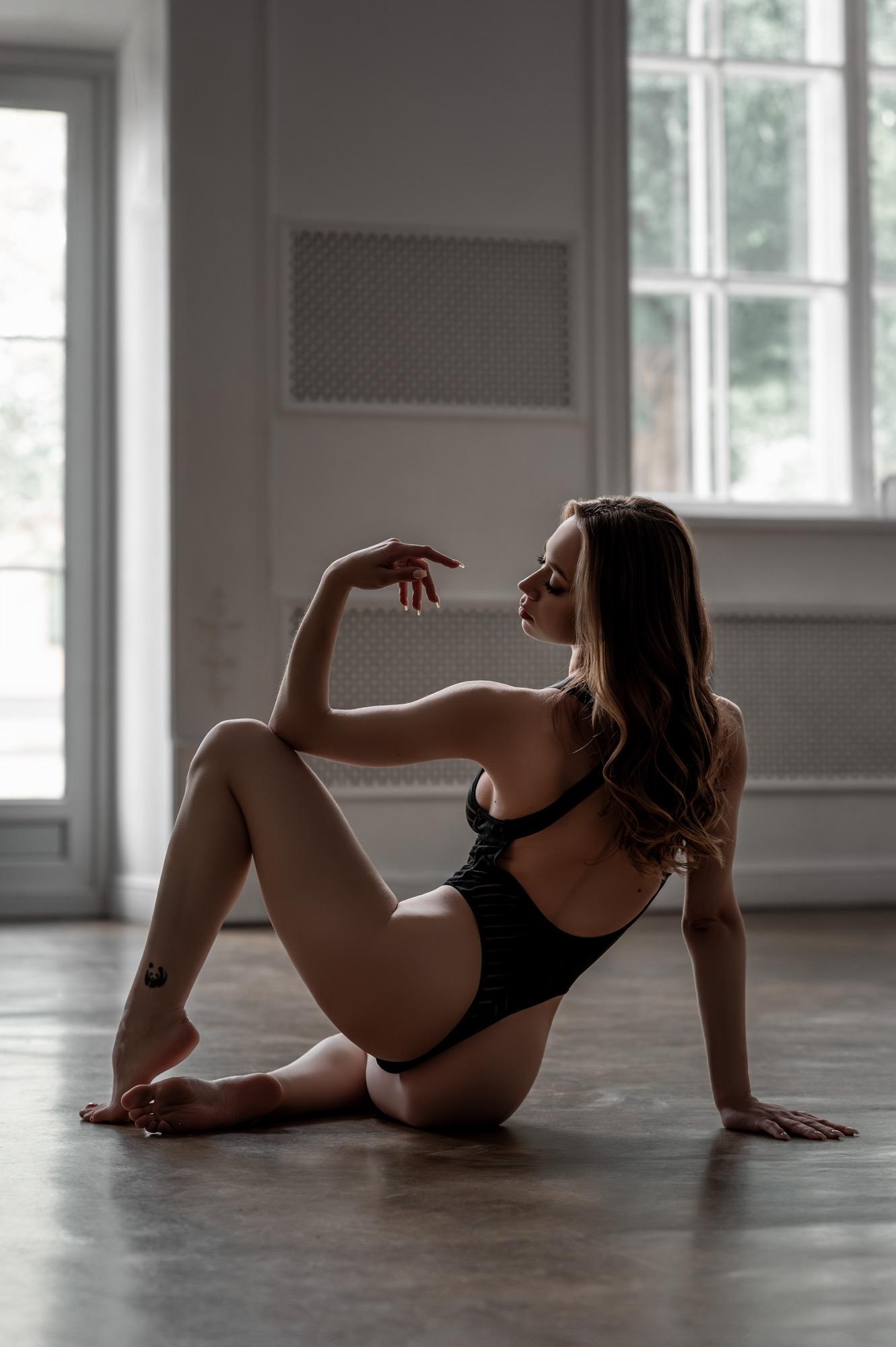
Adobe Lightroom is the industry standard for color grading, exposure adjustments, and skin retouching. Its masking tools let you selectively brighten eyes, warm skin tones, and smooth backgrounds without affecting the whole image. Photoshop handles more advanced work: frequency separation for skin texture, liquify for subtle shape adjustments, and compositing for creative effects. Consistent boudoir style across sessions comes from using presets. You can build your own by saving your favorite adjustments, or purchase presets from boudoir photographers whose style you admire. Either way, presets speed up your workflow and keep your portfolio cohesive.
Monitor calibration is often overlooked but critical. A calibrated monitor ensures the skin tones you edit on screen match what prints and digital galleries show. Devices like the X-Rite i1Display or Datacolor SpyderX cost around $150 and pay for themselves in avoided reprints. For client delivery, platforms like Pixieset, ShootProof, and Pic-Time offer beautiful online galleries, print ordering, and direct download options that make the client experience seamless from start to finish.
Your Boudoir Editing Workflow in 4 Steps
How Does Your Equipment Choice Affect the Client Experience?
The gear you choose shapes how your client feels during the session. Equipment that is quiet, compact, and reliable creates a relaxed atmosphere where clients can focus on feeling confident rather than posing for a machine.
Silent shutter mode on mirrorless cameras is a game-changer. The absence of a mechanical clatter helps nervous clients relax, especially during intimate poses. Eye-detection autofocus means you spend less time fiddling with focus points and more time directing the pose and energy. Tethering to a laptop or tablet lets clients see images as you capture them. This builds immediate trust. They see that they look beautiful, which boosts their confidence for the rest of the session. Compact gear also matters. A small mirrorless body with a prime lens is far less intimidating than a large DSLR with a zoom and a battery grip. In a small bedroom or hotel room, that difference in size and noise is palpable.
Always carry backup equipment. A spare camera body, extra batteries, and duplicate memory cards ensure that a single equipment failure does not end the session. Your client booked this shoot weeks in advance. Being prepared shows professionalism and respect for their time and investment.
If you are new to boudoir photography, start with our gentleman's guide to boudoir for a broader overview of the genre. And for more on using fabric creatively in your sets, read 12 ways to use curtains or tulles in boudoir photography.
What is the best camera for boudoir photography on a budget?
The Sony A6400 or Fujifilm X-T5 are excellent APS-C mirrorless options under $1,500. Pair either with a 50mm f/1.8 lens for sharp portraits with beautiful background separation.
Do I need studio lighting for boudoir photography?
No. Large window light with a sheer diffuser and a reflector produces professional results. A single speedlight with a softbox adds control when natural light is not available.
What is the most versatile lens for boudoir?
The 50mm f/1.8 is the most versatile. It works in tight spaces, produces natural proportions, and its wide aperture creates soft backgrounds. It is also the most affordable prime lens.
How much should I spend on boudoir photography gear as a beginner?
A capable starter kit costs around $2,000: a used mirrorless body, a 50mm f/1.8 lens, a speedlight, a softbox, and a reflector. Rent higher-end gear before making larger investments.
What props do I need for my first boudoir session?
Start with a chair or stool for posing support, a silk or faux fur throw for texture, and a small mirror for creative compositions. These three items cover most posing scenarios.
 Ad
Ad