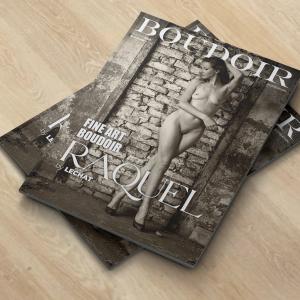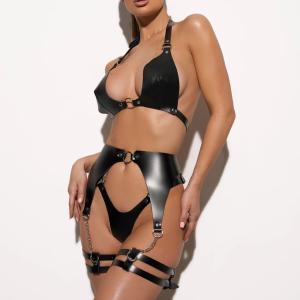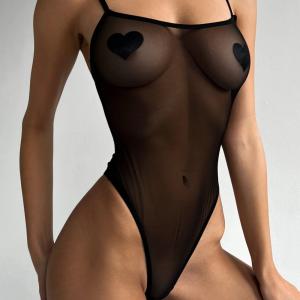
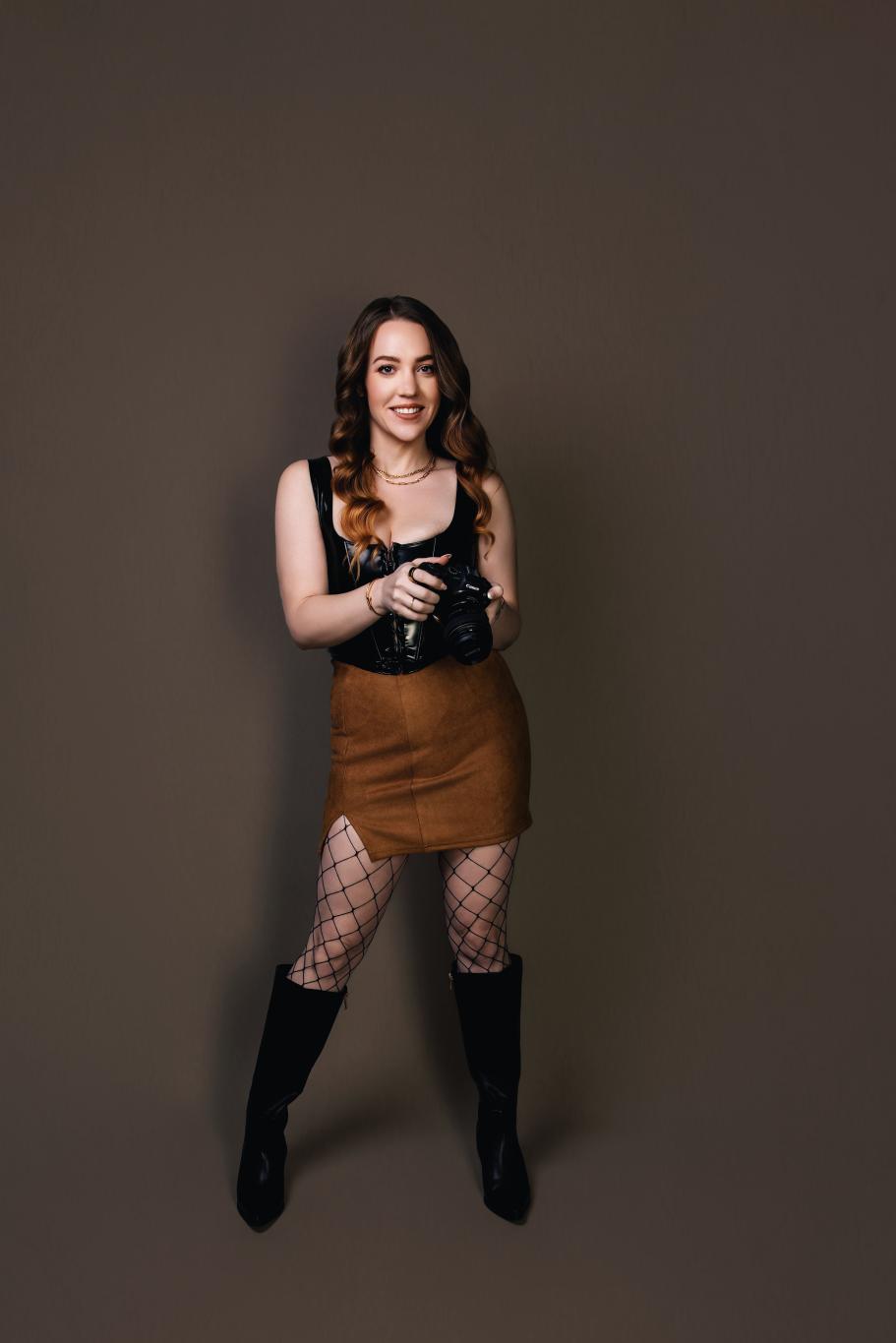
In an industry where the line between photography and experience is constantly blurred, Carli Isadore of Monroe & Co. Boudoir has mastered the art of balancing high-end editorial aesthetics with deeply intentional client care. Known for her moody, polished lighting and effortlessly feminine imagery, Carli has built a studio model that removes the mental load for her clients from the moment they book, giving women a rare space to simply step in, surrender control, and feel empowered.
We sat down with Carli to dive into the craftsmanship behind her signature style. In this interview, she shares her approach to sculpting the body with directional light, how she leverages streamlined systems to deliver a hyper-personalized experience without burning out in post-production, and why physical fine-art albums remain the non-negotiable ultimate conclusion to a luxury session. Whether you’re looking for posing inspiration or workflow advice, read on for a masterclass in elevating your creative practice.
1. To start, how would you describe your signature aesthetic, and what continues to inspire your approach to boudoir photography?
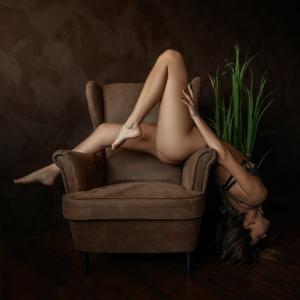
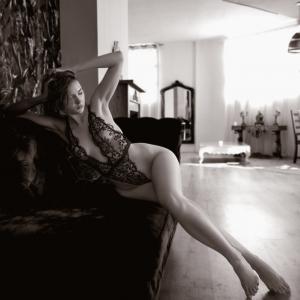
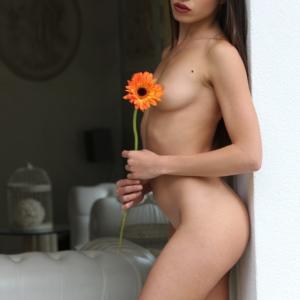
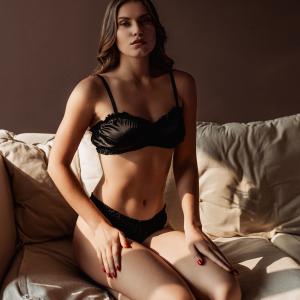
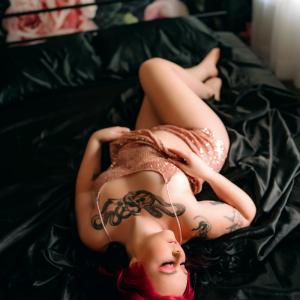
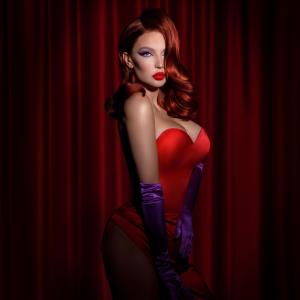
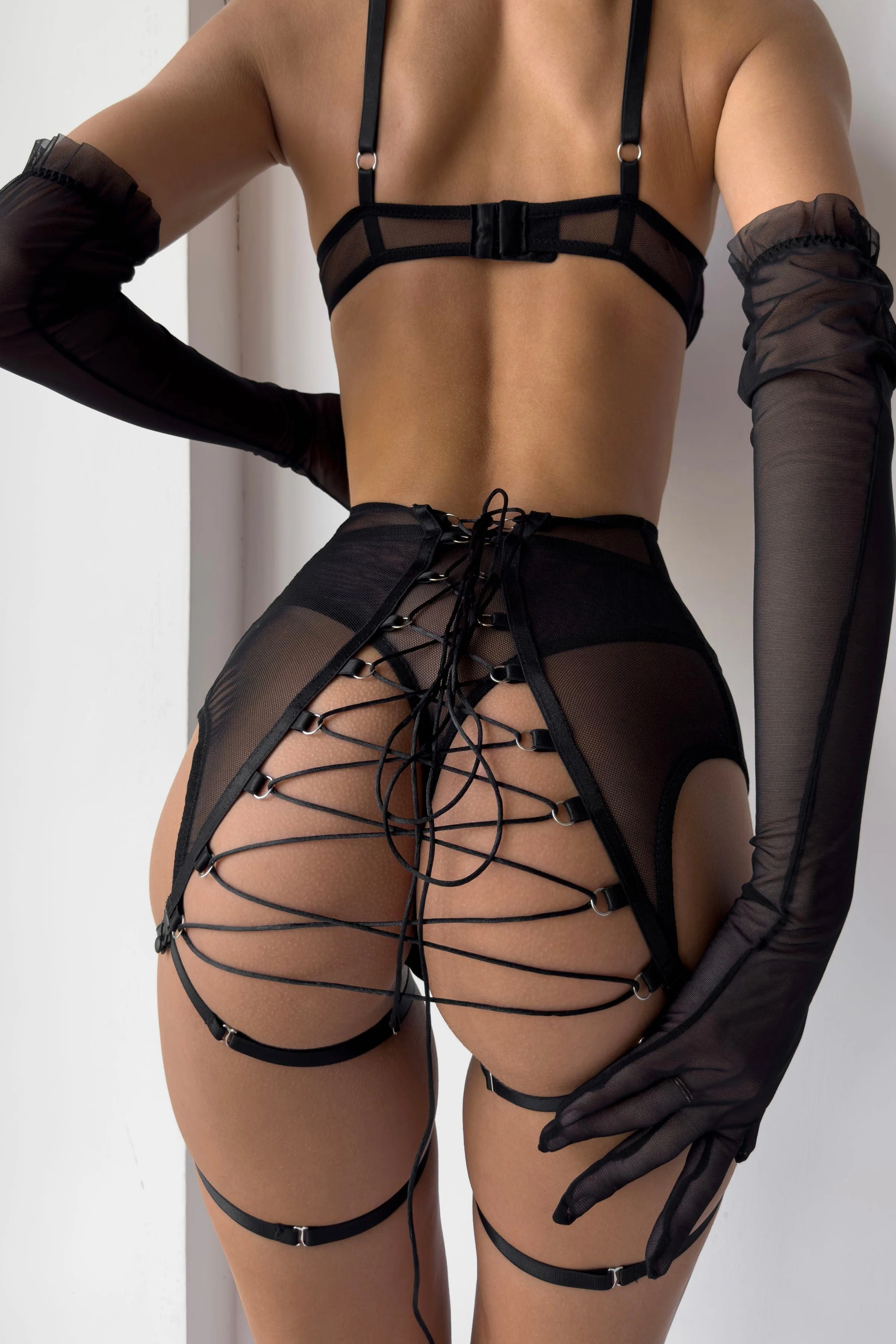
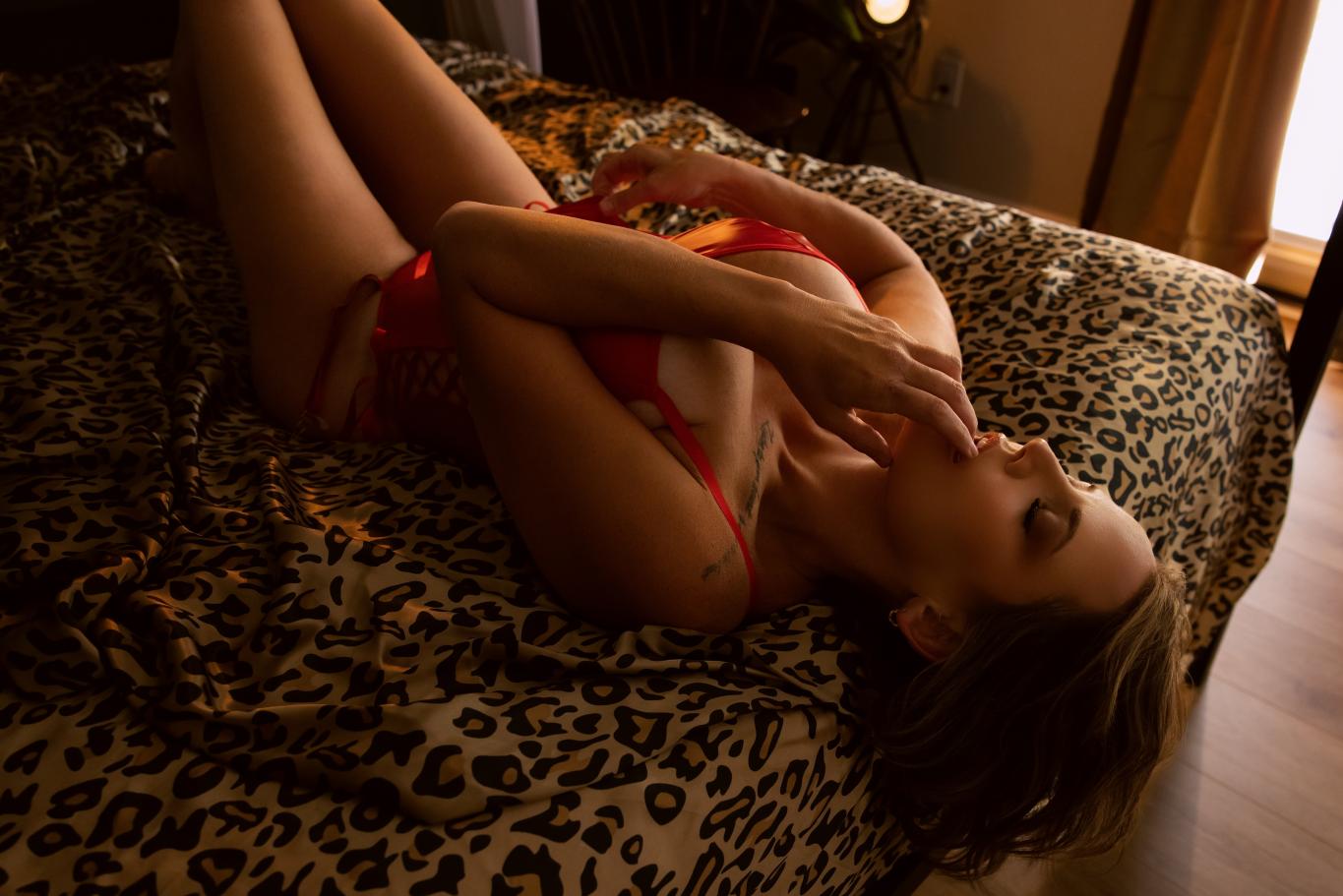
I’d describe my signature aesthetic as moody, polished, feminine, and a little editorial, but still very real. I love rich tones, intentional light, and images that feel elevated.
What continues to inspire me most is the women in front of my camera. I never want boudoir to feel like I’m forcing every client into the same formula. I’m always paying attention to her energy, her personality, the way she moves, and what makes her feel powerful.
My goal is always to create images that feel timeless enough to keep, but distinct enough that you know exactly who made them.
2. Boudoir is deeply personal. How do you prepare your clients mentally and emotionally before they even step in front of your camera?
One of the biggest things I’ve built my client experience around is removing the mental load.
Women are constantly making decisions, managing schedules, taking care of other people and thinking ten steps ahead. I don’t want them doing any of that when they come into my studio.
From the moment they book, my goal is to make the entire process feel incredibly guided. We help them prepare, we have hair and makeup taken care of, a full client closet and heels available, and once we start shooting, I’m directing everything. I’m showing them exactly where to put their hands, how to move their body, where to look, even what to do with their facial expressions.
They don’t have to come in knowing what looks good on them. They don’t have to know how to pose.
I want them to be able to walk through the door and essentially hand the reins over to me. There’s something really powerful about creating a space where a woman who is used to being responsible for everything gets to just exist, be taken care of, and trust the process for a few hours.
3. Lighting plays a massive role in creating mood. What is your go-to setup when you want to create a dramatic, high-end look?
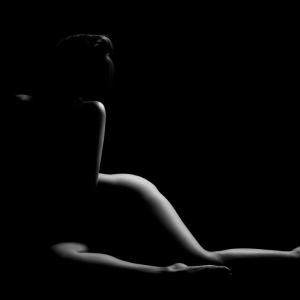
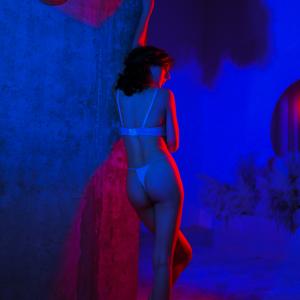
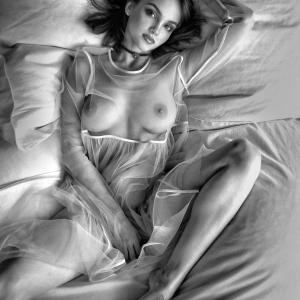
My go-to for a dramatic, high-end look is usually a mix of controlled, directional light, and occasionally, strobes. I love using light to sculpt the body, create separation, and make the image feel a little more editorial.
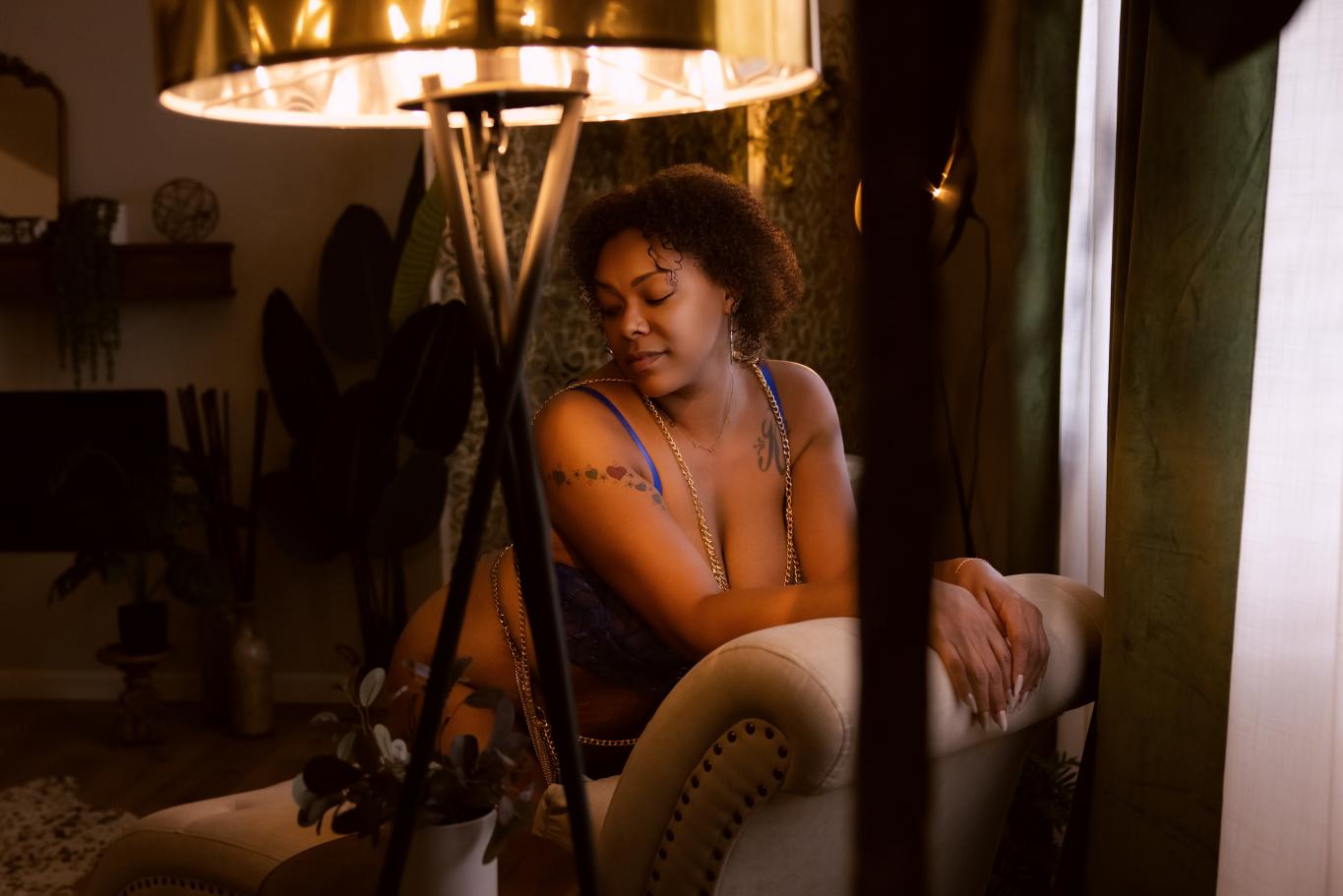
I’m also really drawn to mixing warm and cool light in the same frame. That contrast adds so much depth and atmosphere, especially when I’m working with darker, moodier sets. I love having a warm practical light in the background with a cooler strobe or key light on my client, or vice versa.
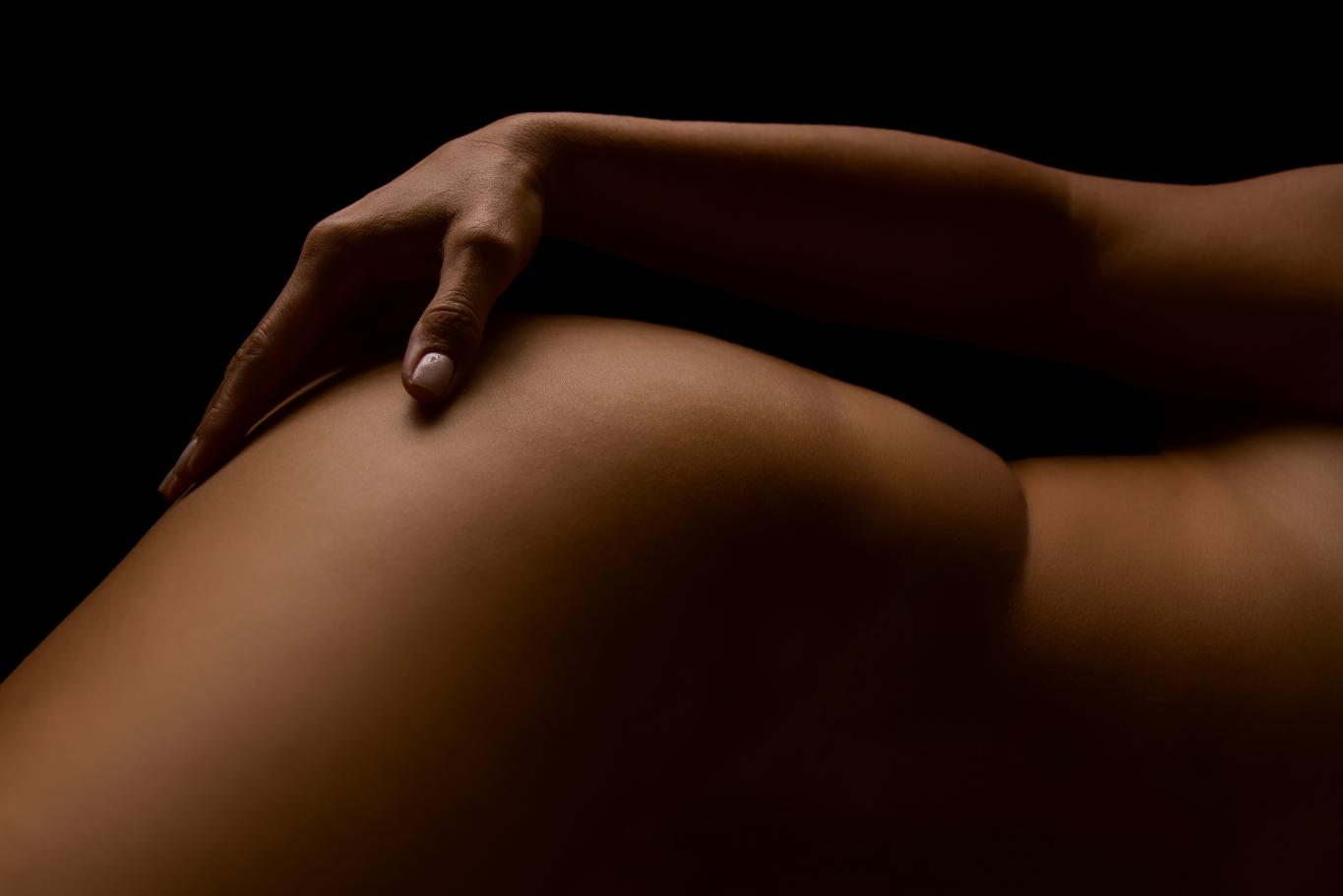
I’m not trying to light every inch of the image perfectly. I actually want some areas to fall into shadow. For me, that’s where a lot of the drama comes from.
So even when I’m using multiple light sources, I still want it to feel intentional and controlled. The goal is never just to make the image bright. I want the lighting to paint a woman’s body with highlights and shadows.
4. Many clients walk in feeling nervous or self-conscious. What are your key posing techniques to make every body type look and feel incredible?
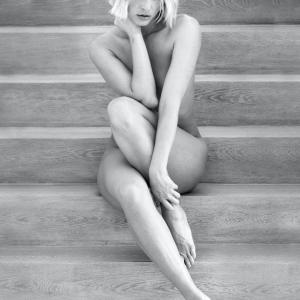
I’m looking at lines, curves, angles, posture, and where the light is falling. Small adjustments can completely change an image, so I’m constantly coaching things like where to shift weight, how to position the hips, what to do with the hands, where to place the chin, and even how to breathe through a pose.
I also demonstrate almost everything myself. I don’t expect someone who has never modeled before to understand what I mean when I give them a direction. I’ll show them the pose, put them into it, and then make tiny adjustments until it feels right for their body.
I don’t pose every client the same way. My job is to pay attention to the person in front of me and figure out what makes their body look powerful, feminine, soft, strong, or whatever energy we’re trying to create.
5. Walk us through your post-shoot workflow. What does your cull, curation, and editing process look like from start to finish?
My post-shoot workflow is actually pretty streamlined because I shoot very intentionally.
I’m not overshooting and figuring it out later. While I’m shooting, I’m already thinking about the final gallery, making sure I have variety in posing, expression, composition, lighting, and overall energy. Because of that, my cull is usually pretty light. I’m mostly removing blinks, duplicates, or anything that just doesn’t add something different to the final set.
From there, I curate the images so the gallery feels cohesive and balanced. I want the client to see a collection that feels complete, not repetitive.
Because my clients view their images the same day, I apply my initial color work and overall tonal treatment before their reveal so they’re already seeing images that feel very close to my finished style.
Once they make their selections, I go into the final retouching process. That’s where I refine skin, clean up distractions, perfect color, and polish the image while still keeping the client looking like herself.
My philosophy is that the RAW image should already be strong before I ever start retouching. Editing is there to refine the work, not rescue it.
6. Workflow efficiency is essential for a high-end studio. How do you balance delivering a hyper-personalized experience without getting bogged down in post-production?
For me, the key is separating personalization from unnecessary customization.
The client experience is highly personal. I’m paying attention to her personality, comfort level, body language, what she’s nervous about, and how she wants to feel, but behind the scenes, I have very intentional systems that keep the experience consistent and efficient.
A huge part of that is having a highly trained staff. I don’t want every part of the client experience to bottleneck through me. My team knows the standard we’re trying to create, how we communicate with clients, and how to anticipate needs so the client still feels incredibly cared for without everything depending on one person.
We also use a CRM heavily to automate and organize the parts of the process that don’t need a human touch every single time, like reminders, preparation information, follow-ups, and certain client communication. That frees us up to be much more present in the moments where personal attention actually matters.
On the photography side, I shoot very intentionally, so I’m not creating an enormous amount of unnecessary post-production. My cull is light, the client views her images the same day, and I only fully retouch the images she purchases.
I think the goal is for the client to feel like the entire experience was designed specifically for her, while behind the scenes there are really strong systems, staff, and workflows making that possible.
7. What digital tools or software have become indispensable in keeping your studio running smoothly and saving you time after the shoot?
Our CRM is probably the most indispensable tool in the business. It handles so much of the repetitive workload for us, from workflows and reminders to client education, follow-ups, questionnaires, and keeping my team organized around where every client is in the process.
I’m a big believer that technology should handle the predictable parts of the client journey so my staff and I can spend our time on the parts that actually require a human being.
After the shoot, efficiency is just as important. A mixture of Photoshop and Evoto is a big part of my editing workflow because it allows me to move through the technical and repetitive parts of retouching much faster while still giving me control over the final image and maintaining my style.
I also build as much consistency into my workflow as possible through presets, repeatable processes, and a very intentional shooting approach. I don’t want to spend hours fixing things in post that I could have gotten right in camera.
8. In a digital-first world, why do you believe fine art albums and physical prints are still the ultimate, non-negotiable conclusion to a luxury boudoir session?
I think there’s a huge difference between owning an image and experiencing it, and there is nothing like holding yourself in print.
Digitals are convenient, and of course they have value, but they live on a phone, in a camera roll, or on a hard drive alongside thousands of other images. Fine art albums give the images permanence.
Boudoir is such an emotional experience. For a lot of women, these images represent a version of themselves they may not have seen in a long time, or maybe ever. I think that deserves to exist as something tangible.
There’s also something about a beautifully designed album that feels incredibly intimate. You can sit with it, hold it, revisit it years later. It becomes an object with meaning, and not just another set of photos in your phone that pop up once a year in your memories.
From a luxury perspective, I believe the final product should match the level of care that went into creating the images. If we’ve spent hours on hair and makeup, lighting, posing, styling, and retouching, I don’t want the final experience to end with a download link.
For me, physical artwork is what turns the session into something lasting. An album gives the experience weight.
9. When designing layouts or presenting samples, how do you guide clients in choosing materials, covers, and finishes that best reflect their personal style?
I guide clients through every part of the selection process in person.
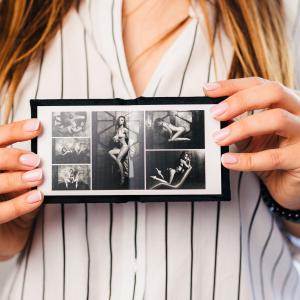
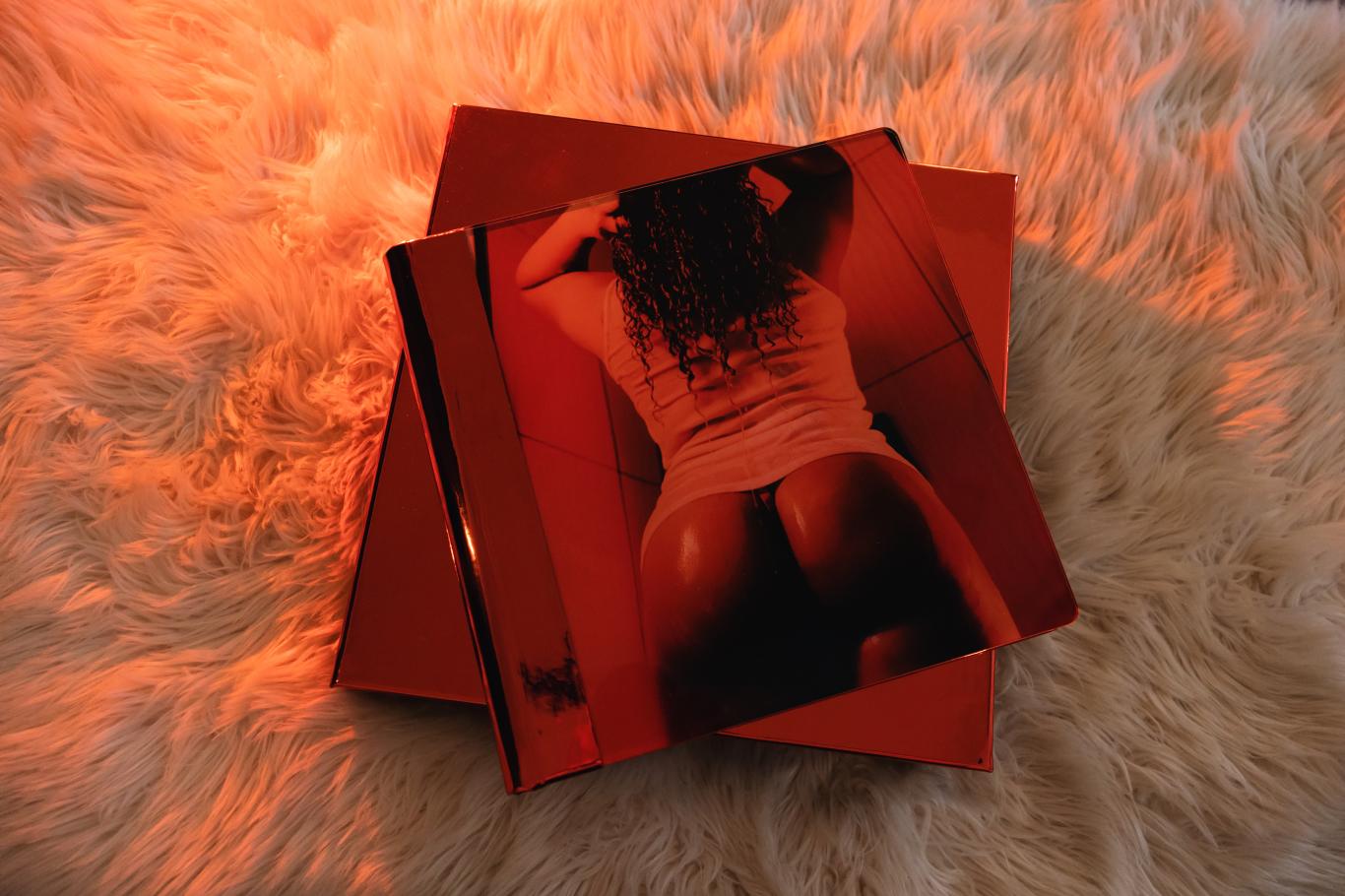
We have sample albums in different sizes, with several cover materials and keepsake box options, so clients can actually see and feel what they’re choosing instead of trying to imagine it from a screen. We also have a showcase box with a variety of cover options that they can look through during their ordering appointment.
From there, I walk them through each decision one at a time, from album size to cover material to the keepsake box and finishing details. I’ll make recommendations based on the images they selected and the overall feel of their session, but I still want the final product to feel like them.
I think that tactile part of the process matters. Luxury products should feel special before they ever leave the studio and being able to physically compare the materials makes the decision much easier and more intentional.
10. To wrap things up, for photographers looking to elevate their business, what is your best advice on seamless workflows and why is delivering a finished, tangible album the ultimate crowning moment of that journey?
My biggest advice is to build your workflows around the experience you want the client to have, not just around what makes your business easier to manage.
A seamless workflow should remove friction at every stage. Use your CRM for the predictable pieces, train your team well enough that the client experience does not depend entirely on you, shoot intentionally so you are not creating unnecessary work in post, and create repeatable systems wherever you can.
The goal is for the client to never see the machinery behind the experience. She should just feel taken care of.
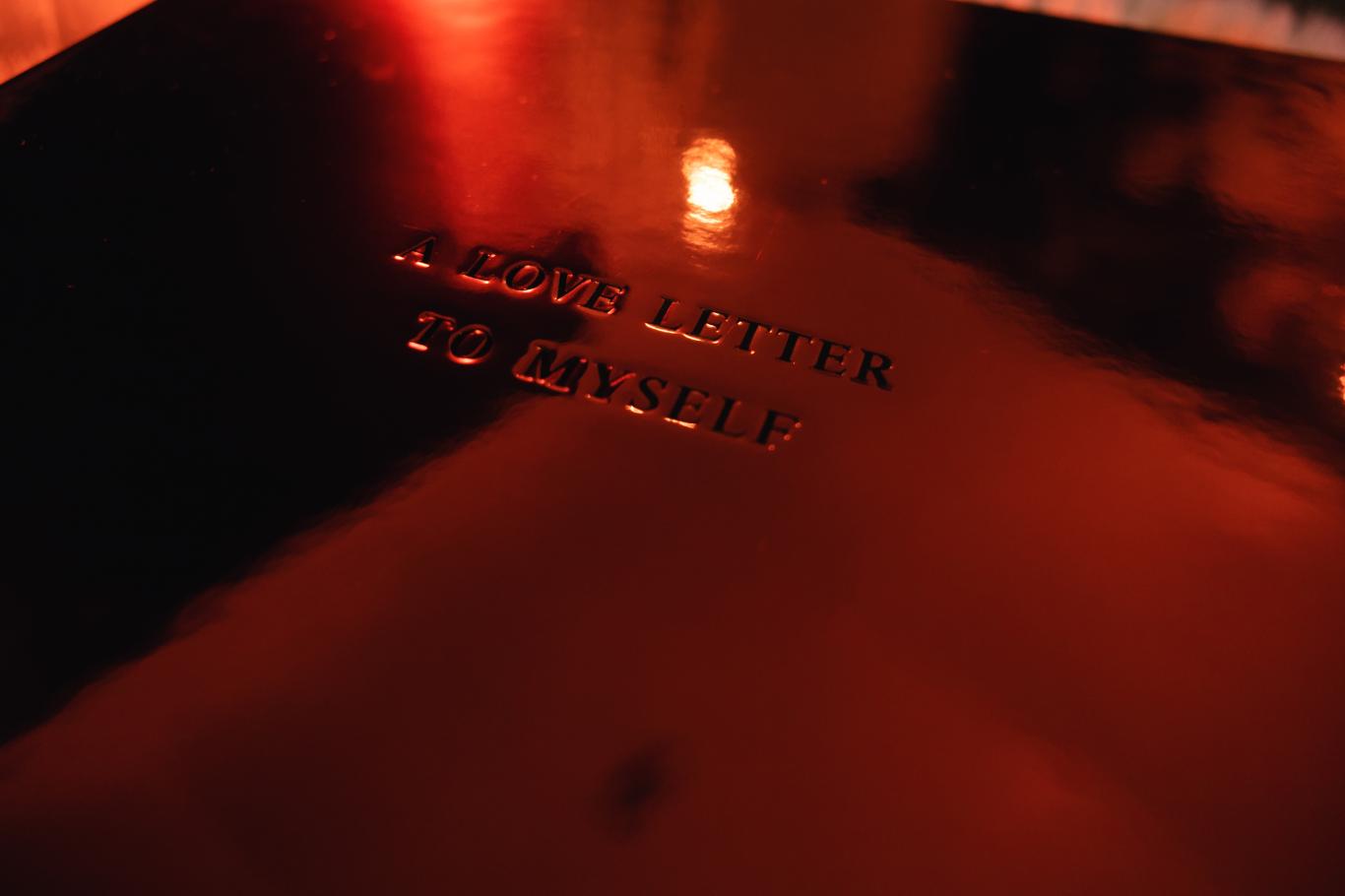
For me, the finished album is the perfect culmination of that entire journey. That is also why I am so particular about the lab I use. I chose DreambooksPro because their attention to detail and the quality of the finished product match the level of experience I want my clients to have.
We put so much care into every part of the process, from the initial communication to the session, the lighting, the posing, the retouching, and the albums. I never want the final product to feel like an afterthought.
When a client finally holds that album in her hands, it gives the entire experience permanence. It takes something that started with nerves, trust, and a decision to do something for herself and turns it into something beautifully made that she can keep for the rest of her life.
That is the crowning moment for me. The experience was personal, the images were intentional, and the final product should feel every bit as exceptional.
 Ad
Ad